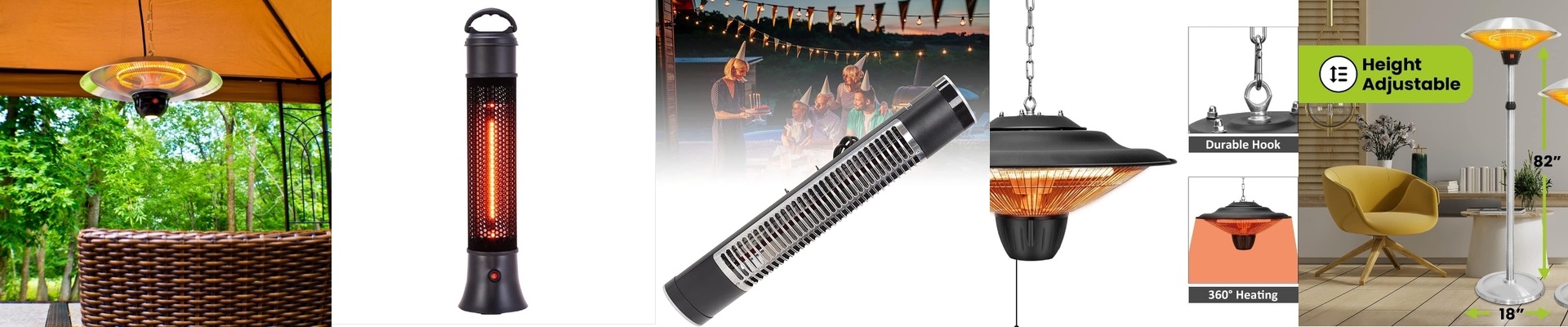
Stop Losing Money Every Winter: The Truth About Outdoor Heating
Let’s be honest. If you run an open-air spot, winter usually sucks for your bottom line. You try the standard heaters, but the heat just floats up to the ceiling or gets ripped away by the first breeze that comes along. Your guests are shivering, they finish their drinks fast just to get inside, and you’re left with empty tables. It’s frustrating. But the fix is actually pretty simple.
Why your current heaters aren’t working
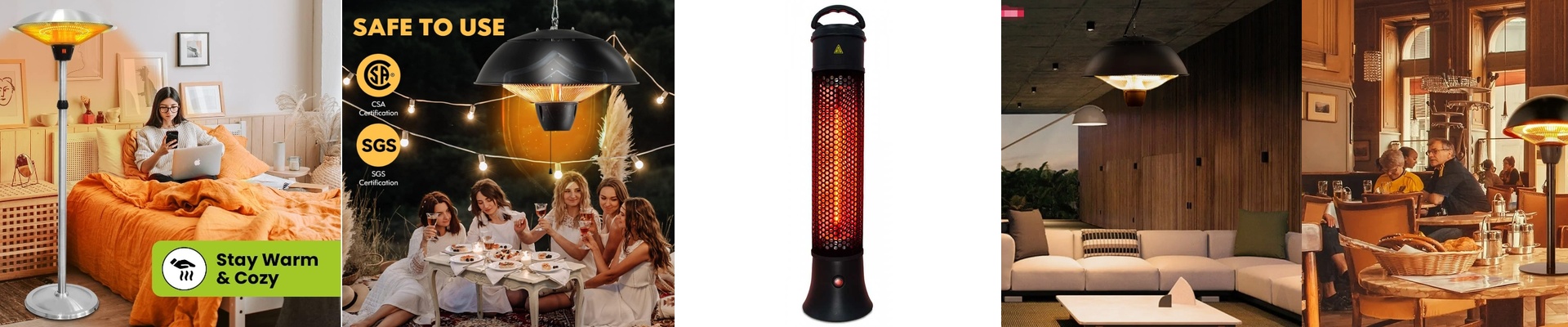
Here is the thing: most heaters try to warm up the air. In a place with high ceilings and open sides, that’s a losing battle. We do things differently. We use short-wave infrared. Instead of fighting the wind to warm the air, these emitters beam heat directly onto your guests. It’s like the feeling of the sun hitting your skin on a crisp October morning. It doesn’t matter if there’s a draft; the heat punches right through the gap between the ceiling and the table.
The nitty-gritty on the gear
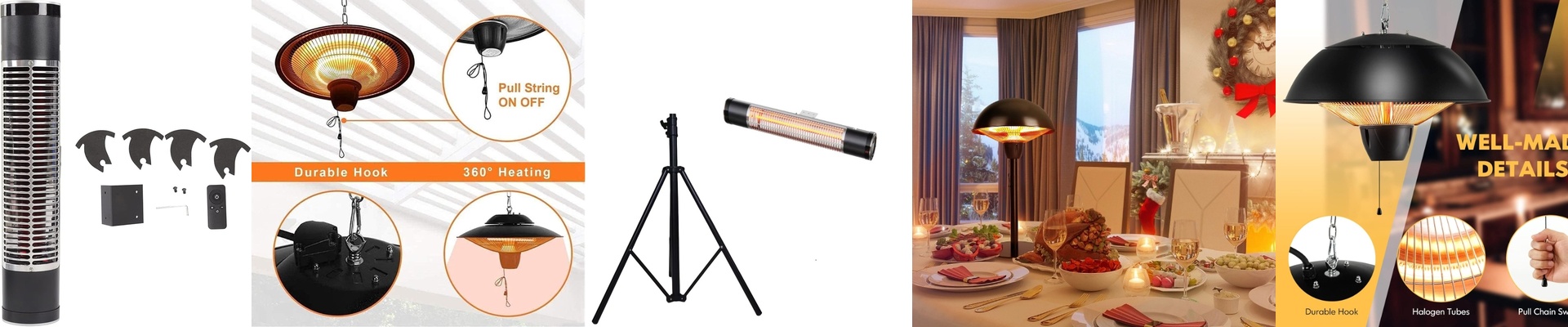
We use quartz-halogen elements. Why? Because they’re fast. Really fast. You don’t have to spend an hour “pre-heating” your patio before the first guest arrives. You flip a switch, and in seconds, it’s warm. Now, a quick word of advice on the install. If you’ve got a big space, go with 3-phase power. It keeps the electricity steady so you don’t get those annoying voltage drops. And please, make sure your brackets are rock solid. If these things vibrate, the wires can loosen up, and nobody wants to deal with electrical sparks in the middle of a dinner rush. Also, use heat-rated wiring. Melting insulation is a nightmare you don’t need.
Making it actually pay off
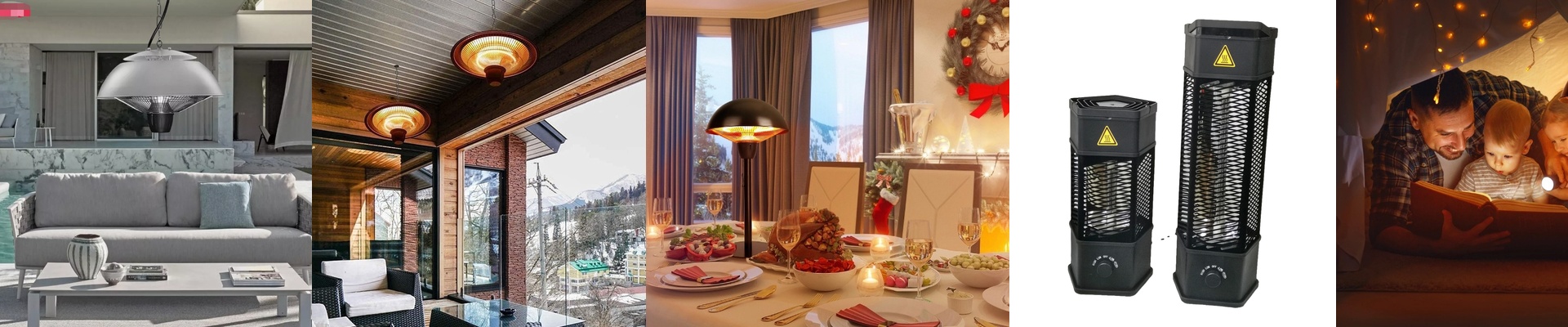
When your guests are cozy, they stay. It’s that simple. If you can bump the feel of the seating area up by just a few degrees, people linger. They order that second bottle of wine. They stay for dessert. Your outdoor zone becomes a money-maker all year round instead of a ghost town for four months. But a word of caution: don’t just throw one massive heater in the middle of the room. If you do that, the person sitting right under it will feel like they’re being grilled, while the person two feet away is still freezing. You have to map it out. You want those “heat cones” to overlap softly. Get the spacing right, and your guests will be happy. Get it wrong, and they’ll move tables—leaving you with the same empty seats you had before.