Stop Fighting the Ceiling: How to Actually Warm Up Factory Changing Rooms
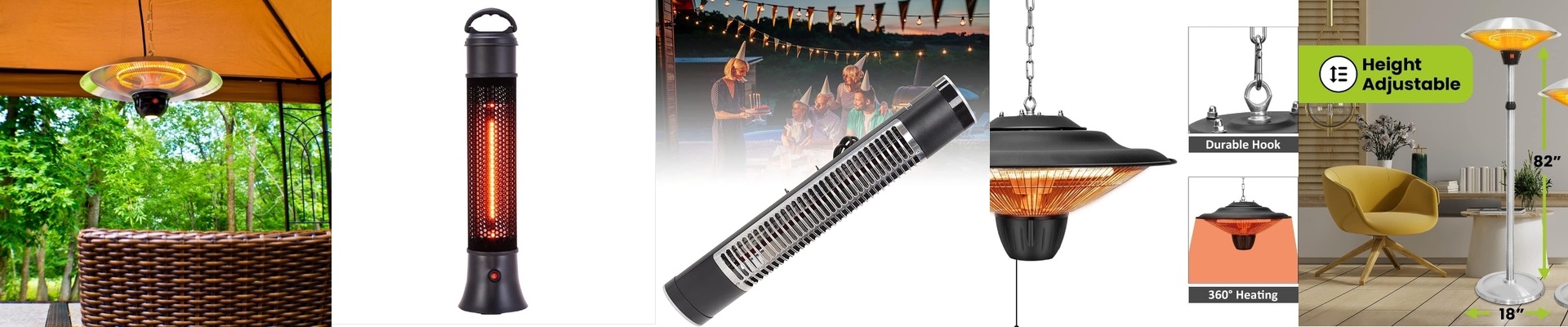
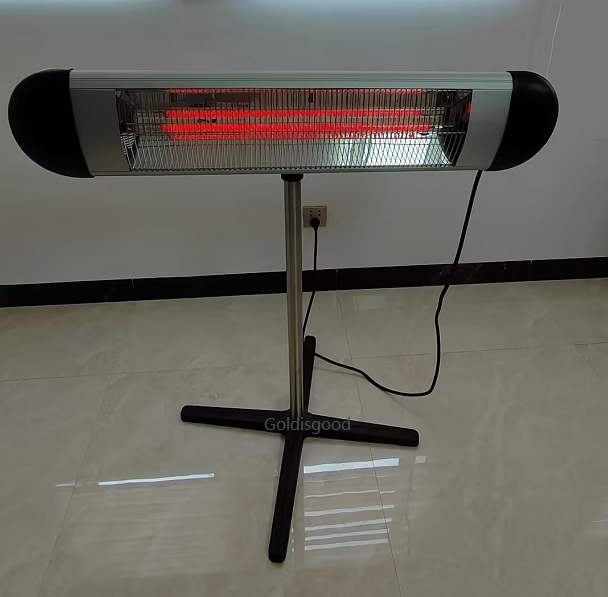
If you’ve ever tried to heat a factory changing room with high ceilings, you know it’s a losing battle. You crank up the standard heaters, the warm air rushes straight to the rafters, and your crew is still shivering on the floor. It’s frustrating. That’s why we stop trying to heat the air entirely. Instead, we use shortwave infrared (IR) radiators. Think of it like the sun. The sun doesn’t warm the air in space to keep you warm on a winter day; it beams heat directly onto your skin. These IR emitters do the exact same thing. They send out waves that hit people and objects, warming them up instantly. Heat that happens right now The best part? There’s no waiting around for a room to “warm up.” When you flip the switch, the elements hit peak temperature in seconds. Your workers step into the changing area and feel that hit of warmth immediately. It doesn’t matter if the roof is leaking heat or if the ceiling is thirty feet high. The warmth is right there where it belongs—on the people. Getting the setup right Since we’re dealing with a lot of distance from the ceiling to the floor, we use high-wattage emitters. You have to be smart about the spacing here. If you just guess, you’ll end up with “cold spots” where people are still freezing. We use quartz glass envelopes to keep the filaments safe and to push that thermal energy down in a tight, focused beam. It’s all about precision. A few things to keep in mind Now, this isn’t a “set it and forget it” kind of deal. Because the heat is so intense, positioning is everything. If you hang them too low or angle them wrong, you’ll have one guy sweating while the person next to him is shivering. It takes a bit of planning to get the coverage just right. Also, check your electrical panel. When a bunch of these high-wattage units kick in at once, they pull a serious amount of power. And for heaven’s sake, don’t leave them running 24/7. That’s just throwing money away. We usually wire them into motion sensors or timers. That way, the second a shift change starts and people walk in, the heat hits the floor. Simple, efficient, and your team actually stays warm.