Stop Replacing Your Ceiling Heaters Every Season
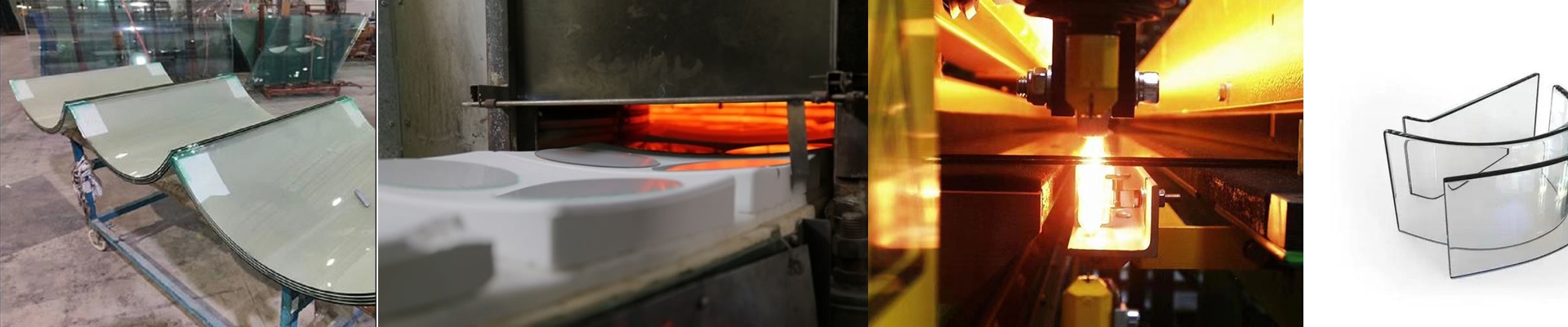
Let’s be honest: factory ceilings are a nightmare for heating elements. Between the humidity, the dust, and the random splashes from overhead pipes, it’s basically a gauntlet. Most heaters just can’t take it. They corrode, the filaments pop, and suddenly you’re paying a crew to climb a ladder for the third time this year. We got tired of seeing that happen, so we built our radiant heaters to actually survive the mess. The battle against moisture Here is the problem with water and heat: thermal shock. Imagine a tiny, cold drop of water hitting a tube that’s glowing at 600°C. The glass doesn’t just get wet—it stresses and cracks. It’s a fast way to kill a heater. To fix this, we did two things. We sealed the housing and added a hydrophobic coating to the emitter. Basically, the water can’t cling to the heat source; it just slides off. Then there’s the mist. In a steamy plant, condensation loves to sneak into electrical contacts. That’s how you get short circuits and burnt-out units right in the middle of a busy shift. We swapped the open gaps for IP-rated enclosures and tight gaskets. It keeps the wires dry and the power flowing. Built for the splashes We stopped using open-frame designs a long time ago. They’re just too vulnerable. Now, we use closed-loop seals and materials like tempered glass and corrosion-resistant alloys. Whether it’s a leaky pipe above or a cleaning crew going a bit overboard with the hose, the internal circuitry stays bone-dry. One quick tip, though: because these seals are so tight, they act as a bit of insulation. Just make sure your mounting brackets give the unit some breathing room so the internal driver doesn’t get too hot. What this actually means for you The best part? You stop thinking about your heaters. We’ve seen a huge drop in maintenance calls because the glass isn’t shattering every winter. You get steady, reliable heat without the constant fear of a failure. Just wire them up, set your timer, and forget they’re even up there. That’s how it should be.