Stop the Chipping: Why Your Glass Bottles Need a Little Heat
Ever tried cutting a glass bottle only to have it shatter or leave those annoying, jagged chips right at the break? It’s frustrating. The problem is that cold glass is just too brittle. When you score the surface and put pressure on it, all that stress hits the scratch at once. Instead of a clean snap, you get a mess.
The Magic of Infrared
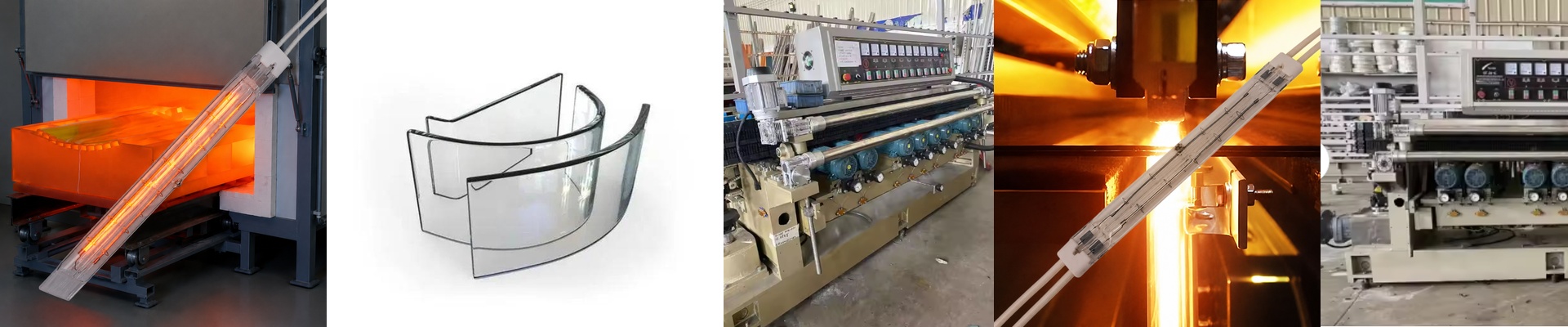
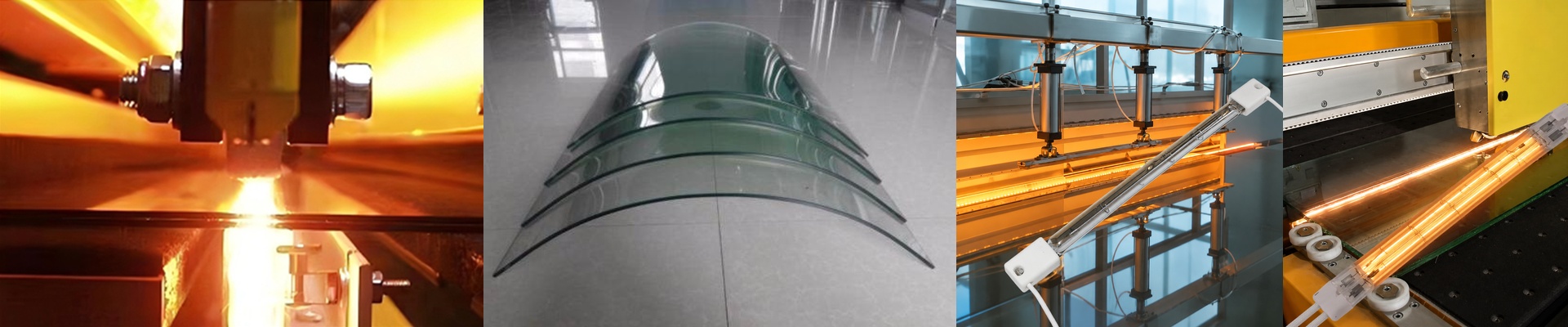
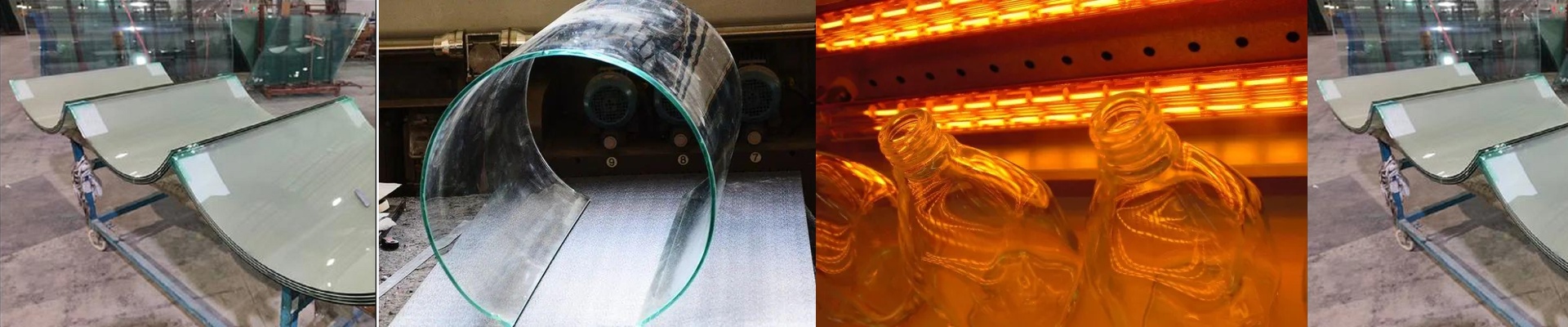
Here is the trick: we use short-wave infrared (IR) lamps to warm up the glass before the cut. Think of it as relaxing the glass. The IR radiation sinks in, gets the molecules moving, and lets the material expand just a bit. This lowers the surface tension, which means when you finally make the break, the crack follows your line perfectly. It feels different. The snap is cleaner. The edges are smoother. And you stop wasting bottles.
Setting Up Your Gear
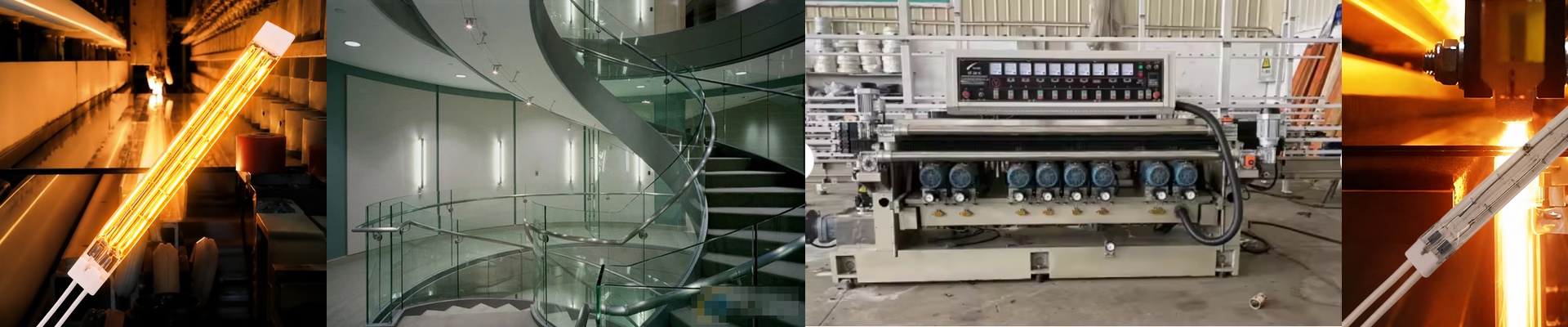
If you’re building your own setup or running a small shop, quartz halogen IR heaters are the way to go. They pack a ton of heat into a tiny space. Speed is everything here. You want a lamp that hits the right temperature in a few seconds. If you take too long, you’ll heat the whole bottle, and that’s when the glass starts to warp. I always recommend short-wave emitters. They shoot energy straight into the glass without wasting time heating up the air around it. Just make sure you use a PID controller to keep things steady. If you let the heat spike too high, you’ll actually bake stress into the bottle walls, which defeats the whole purpose.
The Not-So-Pretty Parts
It’s not all plug-and-play. High-wattage lamps pull a lot of juice. Do yourself a favor and use heat-resistant cabling—unless you enjoy the smell of melting insulation. Plus, these lamps don’t last forever. As the filament gets old, the heat drops. You’ll notice your cuts aren’t as crisp as they used to be. When that happens, just tweak your dwell time to compensate for the aging lamp, and you’ll be back in business.