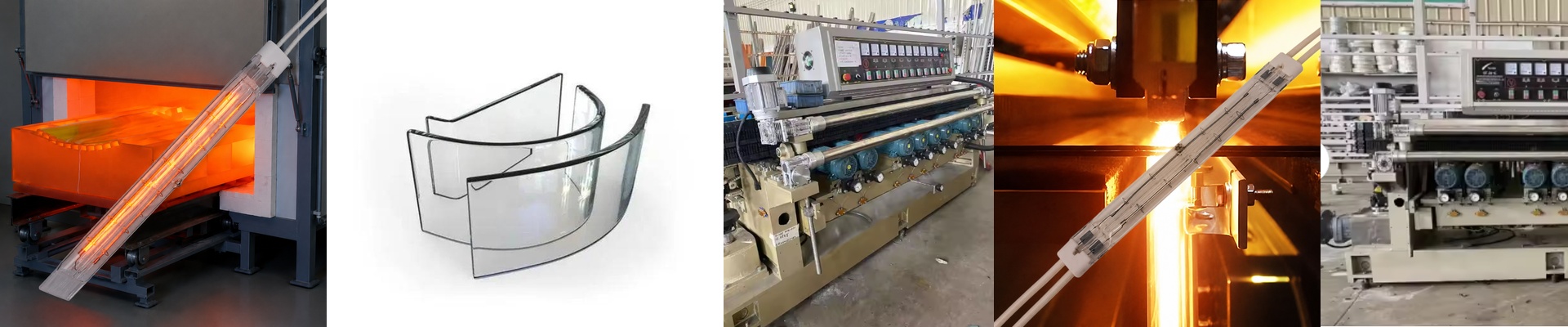
Getting the Heat Right for Glass Tube Sealing
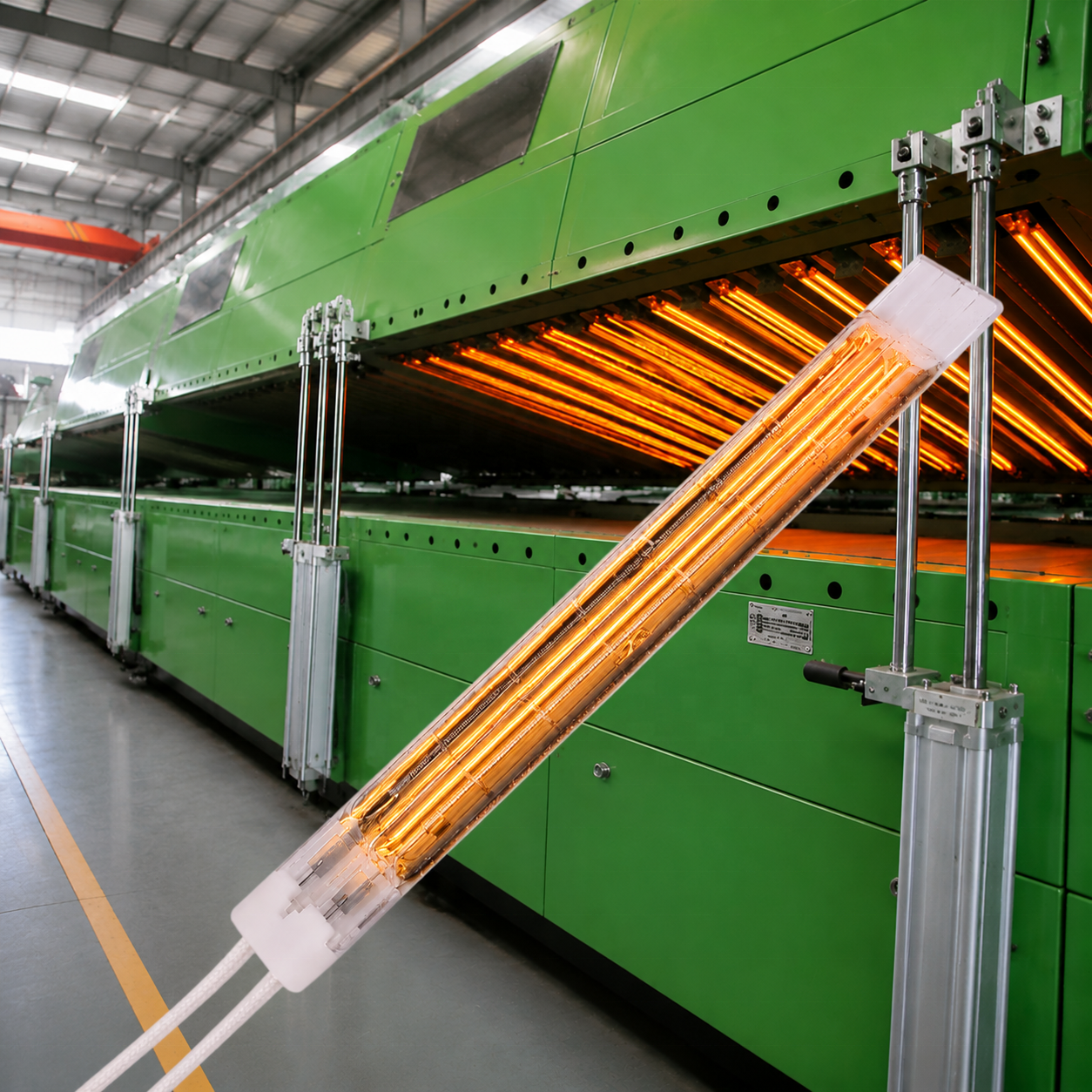
If you’ve ever tried using a standard, off-the-shelf lamp in an R&D lab, you know the frustration. They just blast uniform heat everywhere. But when you’re messing around with new glass materials, “uniform” is actually the problem. You don’t need a generic heater. You need to control exactly where the energy hits the tube. That’s why we build our sealing lamps the way we do—so you can actually specify the power density.
It’s Not About the Total Watts
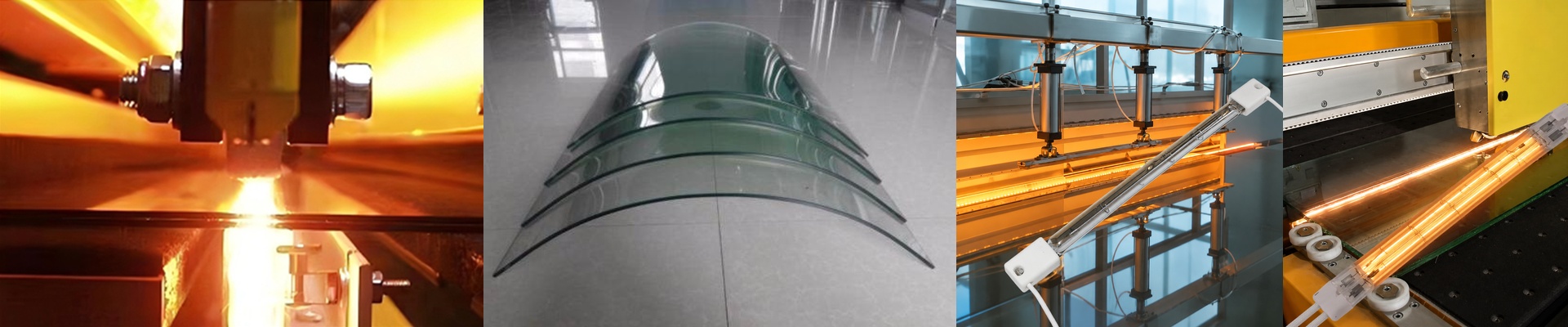
A lot of engineers get hung up on total wattage. I’ve seen it happen a dozen times. But here’s the thing: the total power doesn’t matter nearly as much as the heat gradient. If the temperature jumps too fast, the glass shocks and cracks. Simple as that. To stop that from happening, we play around with the filament winding and the thickness of the quartz envelope. This lets us shift the peak intensity. Depending on what you need, we can create a tight, concentrated heat zone for a rock-solid seal, or a more tapered spread if you need a gradual anneal.
More Than Just a Different Size
Changing the dimensions is the easy part. The real magic is in the electrical side of things. Sure, we can tune the voltage and wattage to fit whatever power supply you’ve already got sitting on your bench. But the real advantage is the spectral output. Maybe you need short-wave IR to punch through the surface quickly. Or maybe you’re working with thin-walled borosilicate and need a very specific distribution based on how that material expands. We build the lamp to match the material, not the other way around.
The Trade-off (The Part Everyone Forgets)
Now, there’s a catch. If you cram more watts into a smaller space to speed up your throughput, you’re putting a ton of stress on the lamp. High-density lamps burn out fast if your cooling airflow isn’t perfect. If your housing can’t get rid of that waste heat, you’re going to end up warping your fixtures. It’s a balancing act. We treat these lamps as R&D tools. The idea is to give you the freedom to test different heat profiles without having to tear apart and redesign your entire machine. Just wire it up, test the seal, and tweak the density until the glass finally behaves.