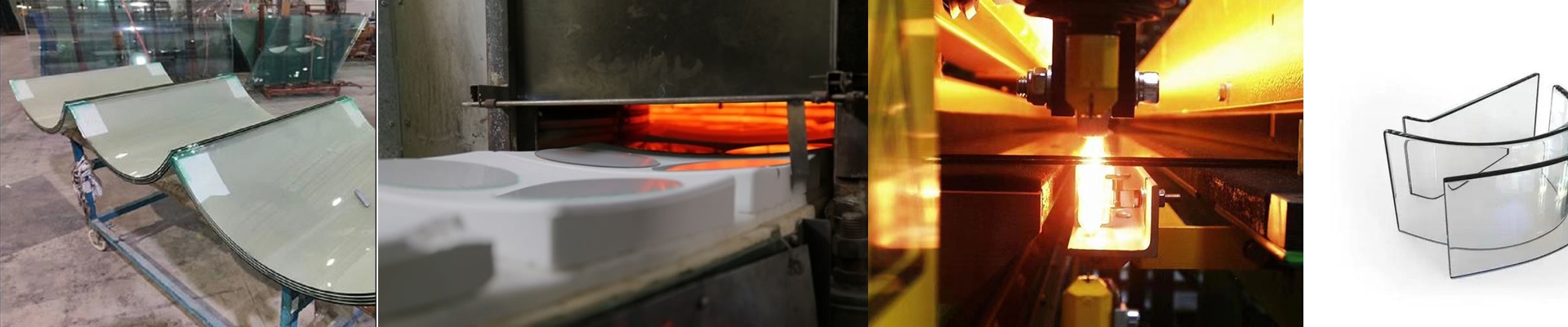
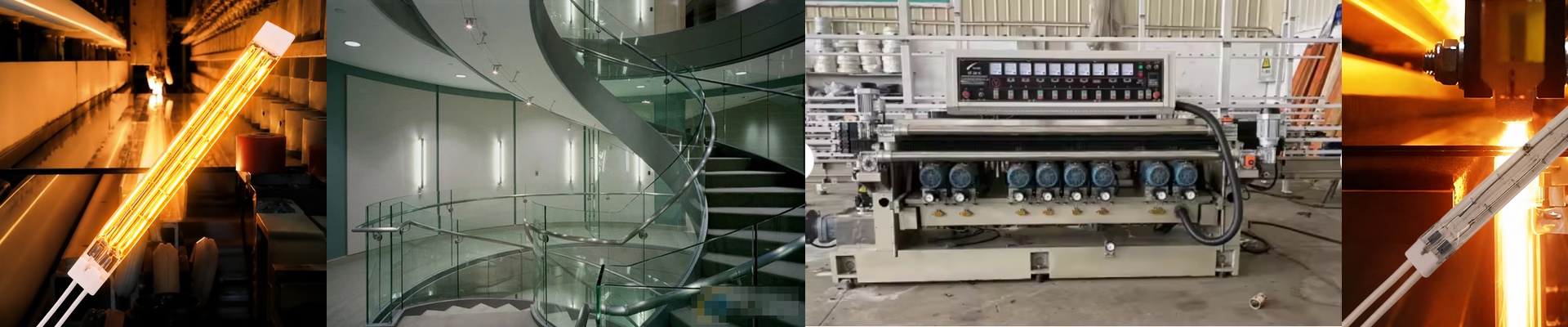
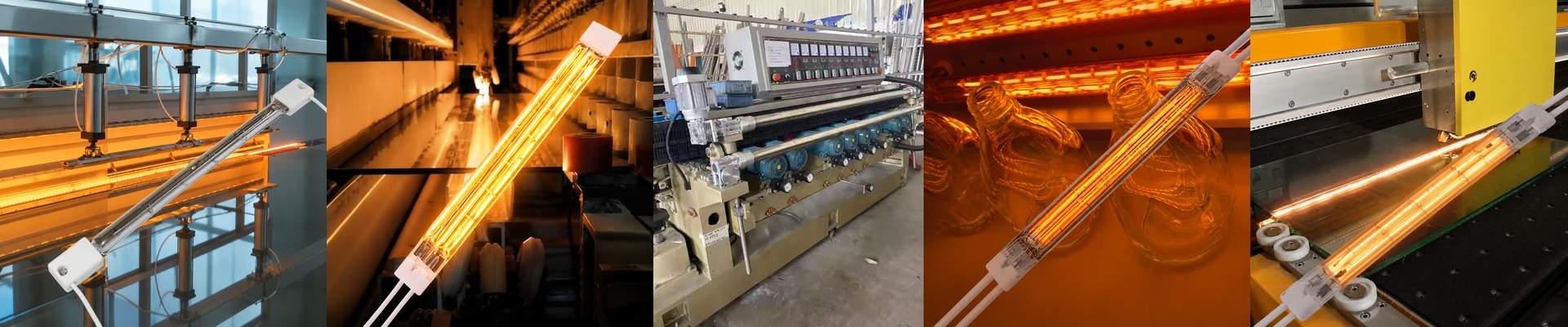
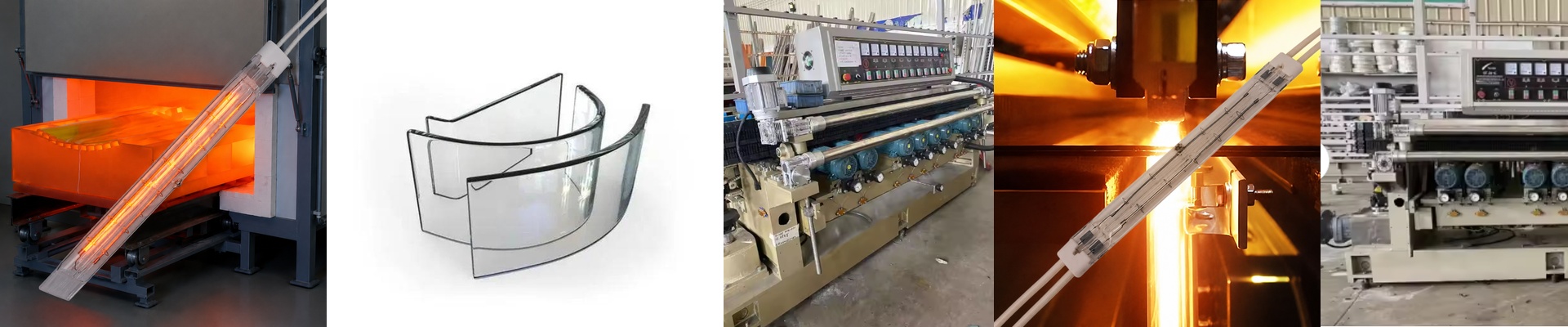
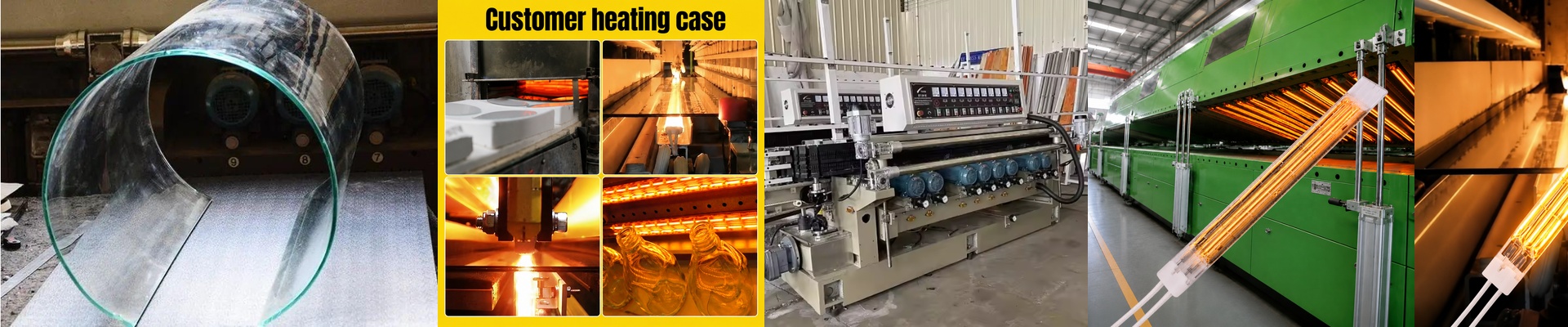

A Smarter Way to Handle Train Window Annealing
If you’ve ever run a traditional gas oven or resistive heater, you know the frustration. You’re spending a fortune on electricity just to heat up the air and the oven walls, while the glass is just sitting there, waiting to get warm. It’s a waste. That’s why we shifted to shortwave IR lamps. Instead of heating the whole room, these lamps go straight for the glass. It cuts your ramp-up time way down and, more importantly, keeps your power bill from spiking. Why shortwave IR actually works Here’s the thing: shortwave IR doesn’t just sit on the surface; it actually penetrates the glass. We use high-wattage quartz halogen tubes to put the heat exactly where the stress is. It’s fast. Really fast. And that means you get your soak time handled quickly and your cooling curve stays right where you want it. The gear and how it fits in We don’t believe in “one size fits all.” Depending on how long your tunnel is, we’ll pick the wattage and voltage that actually fits your current electrical setup. We use reinforced quartz envelopes because they don’t bow or warp when things get hot. Plus, we use standard connectors—think R7s or Sk15. If a tube burns out, you just pop it out and slide in a new one. No need to rip out the wiring or spend half a day on a repair. And a little pro tip: we often add a special coating to the quartz. It stops the heat from bouncing off the glass and makes sure it actually sinks in. The honest trade-offs Now, it’s not all magic. When you put this much heat into a small space, you have to be careful. You’ve got to get your conveyor speed dialed in perfectly. If the glass crawls too slowly, it’ll overheat, and you’ll end up with deformation. Also, keep an eye on your cooling fans. The lamp housings get hot—really hot—and if your fans aren’t up to the task, your controllers will trip, and your whole line stops. It’s a simple fix, but it’s something you can’t ignore.