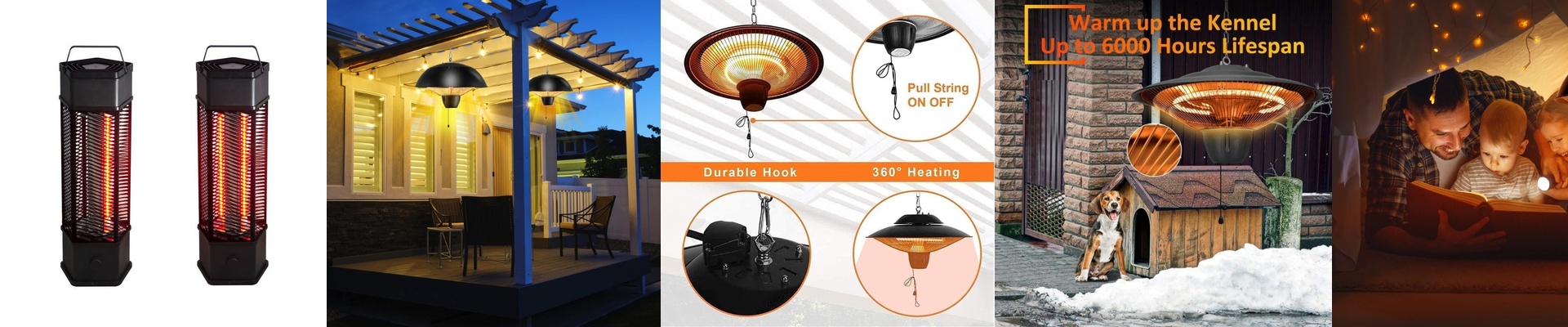
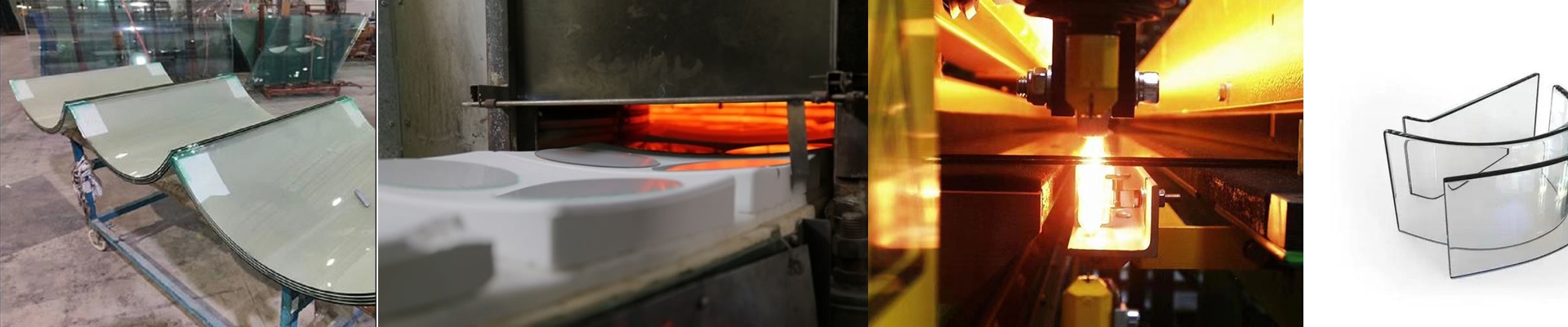
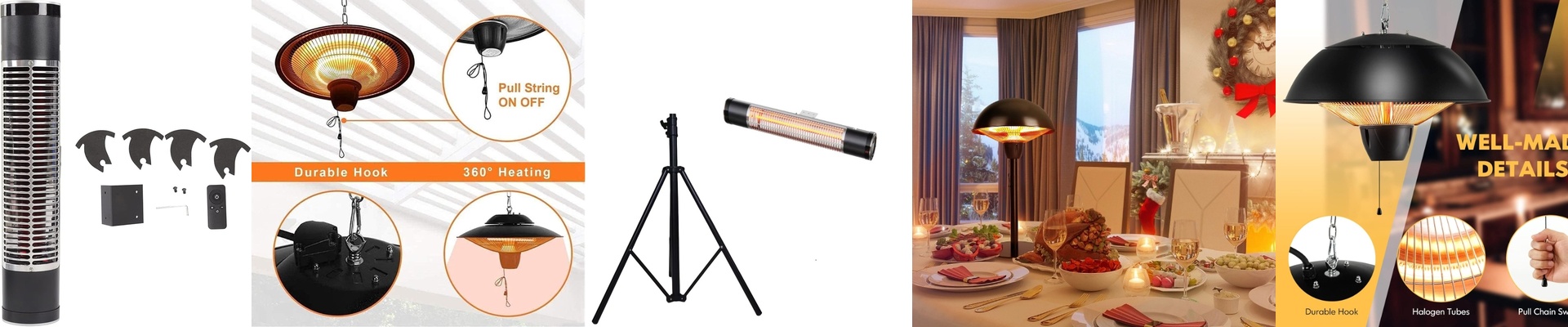
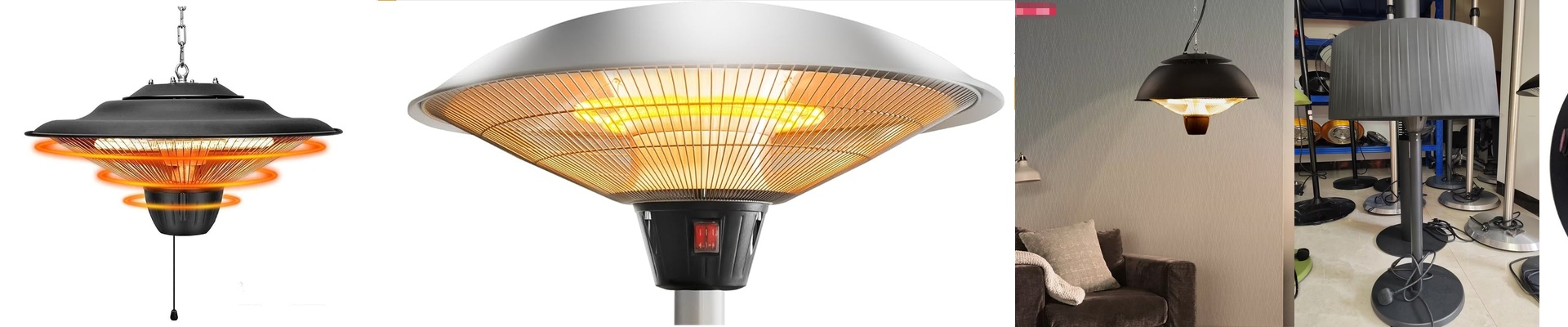
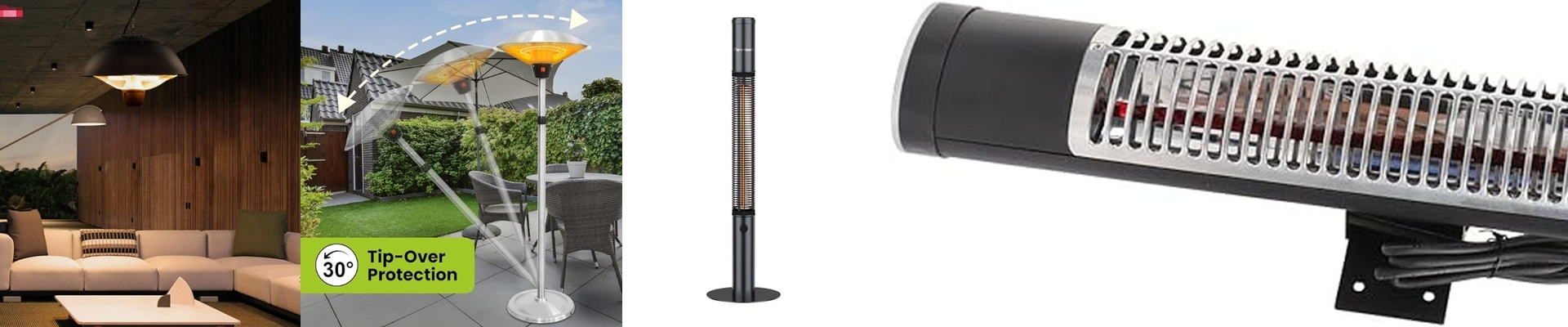
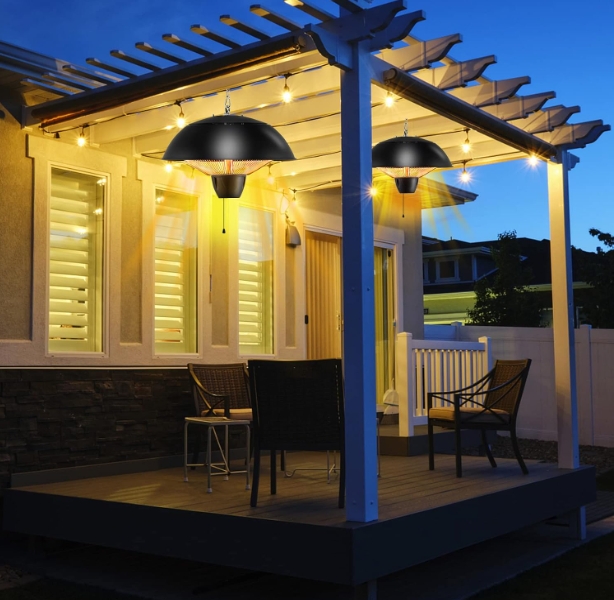
After spending time in 2,000 European homes, one need kept coming up: people want warmth that shows up fast, feels natural, and fits the way they actually live—whether that’s a quiet night inside or stretching the evening out on the balcony. So we built our infrared space heaters around radiant heat. It warms people and objects directly, instead of moving air around. What matters under the hood We run our infrared heaters on a carbon fiber element inside high-transparency quartz tubes—picked for stable output and long service life. That translates to quick response: full warmth within seconds. No waiting on a fan to spin up or a big heat store to build. You get focused, directional warmth, so comfort lands right where you are. For safety and control, each unit has tip-over protection and a thermostat to keep temperature steady. Many models are IP55 rated, so they’re a solid fit for covered outdoor spots like a patio or loggia. Why this hits the mark in Europe European living tends to blur indoor and outdoor spaces, and households are watching energy use. Infrared warmth delivers exactly what that calls for: fast heat, targeted, and efficient. No long pre-heat. No draft. No noise—just comfort, immediately. It works for a cozy reading corner and for outdoor dining, and because the heat is directed where it’s needed, it can help keep overall energy use in check. In practice, that means more flexibility, fewer interruptions, and a home that’s ready when you are. What to keep in mind Radiant heat does its best work when it’s aimed at the people and surfaces you use most, so placement matters. For outdoor use, even with an IP55 rating, the unit still needs protection from direct rain. Infrared heaters warm objects and people directly, so the surrounding air can feel cooler—pairing with a small ambient heater makes sense in very cold conditions. Keep the area around the heater clear, respect the clearances, and for hardwired installs, use a qualified electrician.