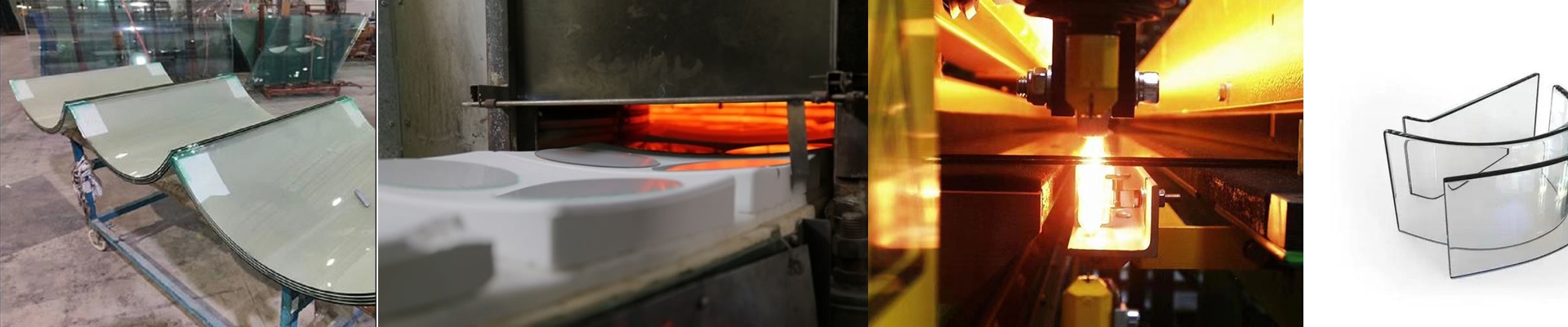
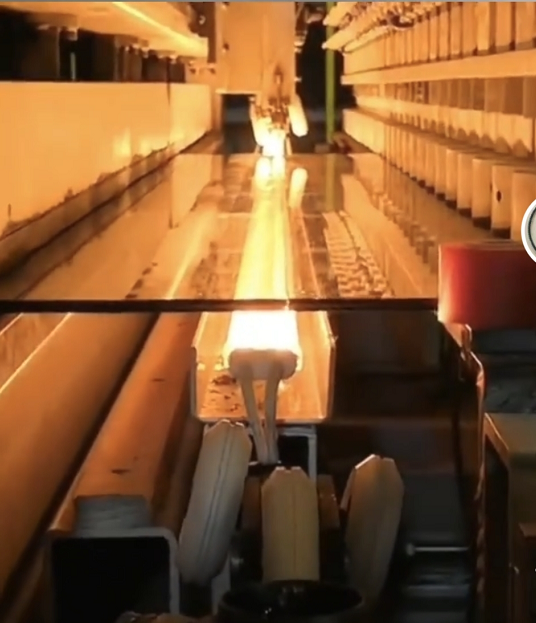
On the floor, annealing isn’t some soft prelude—it’s the last chance to kill thermal stress before the glass leaves the plant. When the heater can’t hold setpoint, or it’s constantly chasing temperature across the lehr, you know what follows: scrap, rework, and an energy bill that climbs every week. We built our glassware annealing heater to break that loop.
What actually matters under the hood
We lean on short-wave infrared quartz emitters, tuned to the emissivity of glass. That gives you direct energy transfer instead of leaning on heavy convection. The payoff is a fast ramp-up with tight control. In practice, you can hold ±1.5°C uniformity across the belt width, even when the line is moving. The heater drops in as a modular section—3-phase power, a compact profile, and standardized mounting—so it fits into existing lehrs with minimal rework. Inside, the reflectors keep the radiant efficiency high, so more of the input becomes useful heat, not wasted ambient.
Why this approach holds up in production
High-throughput annealing lives and dies on stable thermal profiles, not peaks and valleys. Our heater comes up to temperature quickly and holds there, so the lehr isn’t fighting the glass. That stability cuts down on thermal shock and stress fractures, which helps first-pass yield on float, bent, and coated glass. And because it’s focused radiant heat, the energy draw in the high-power zones drops—expect meaningful kWh reduction versus resistance coils in comparable duty cycles. Fewer temperature swings also mean fewer alarms, less off-spec glass, and a more predictable output day to day.
The details that make the difference
Installation is straightforward on most lines, but the heater performs best when the lehr interior is clean, reflective, and well-sealed. If the insulation is weak, efficiency will always take a hit. Plan on proper airflow and clearance around the emitter housing to keep components within thermal limits. And if your line runs long cycles with frequent setpoint changes, talk about control tuning upfront—even the fastest heater needs a stable control strategy to deliver the full energy savings.