
Stop Wasting Power on Your Glass Annealing
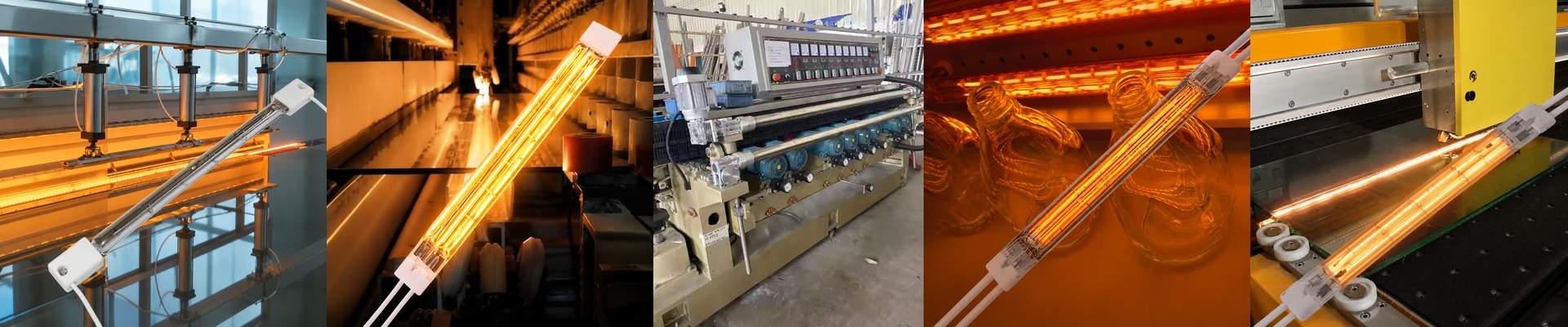
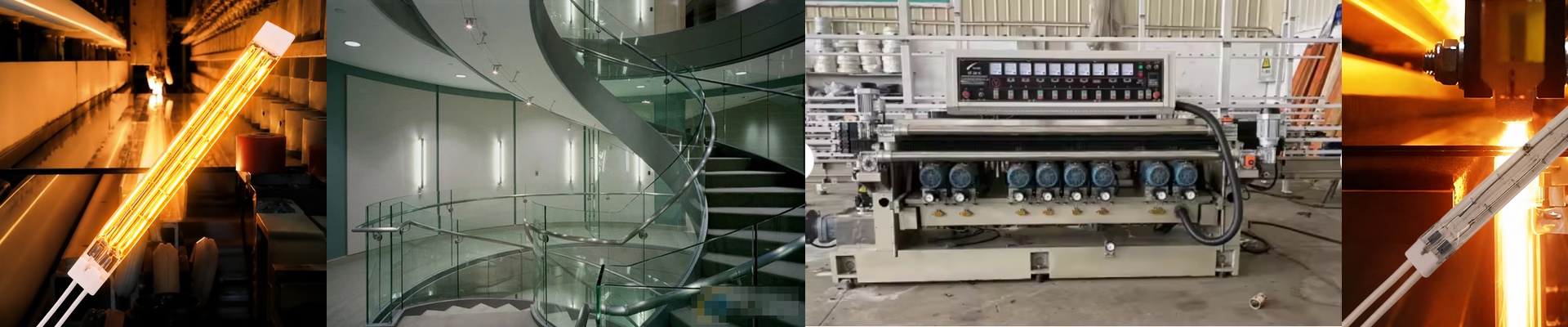
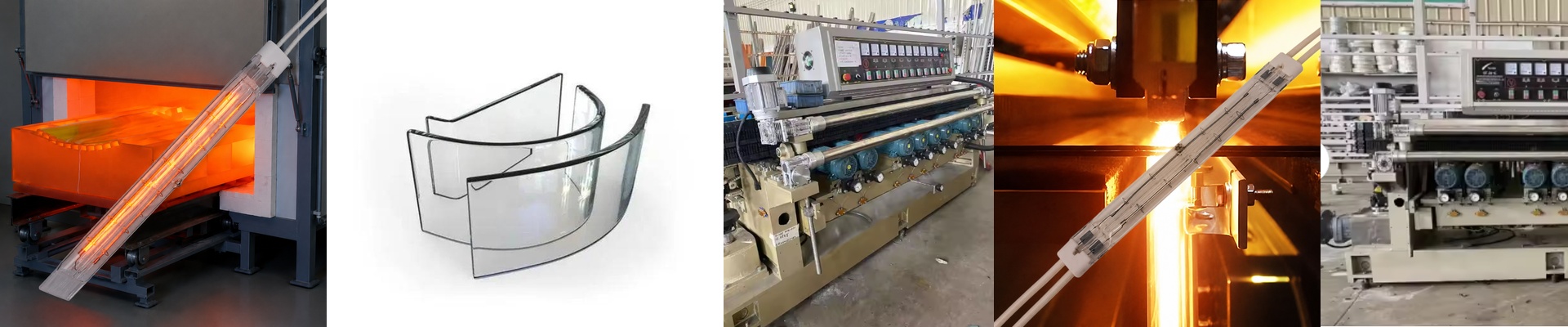
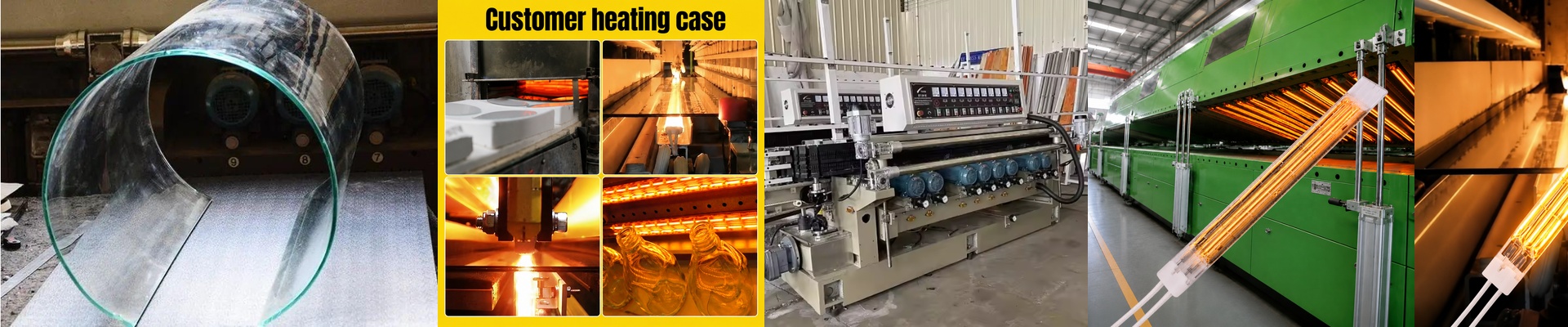
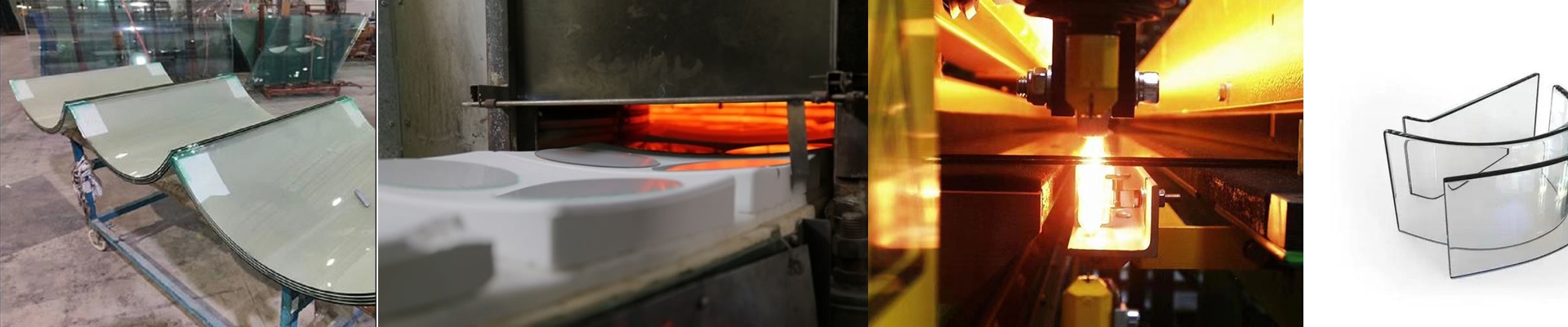
Let’s be honest: glass tempering lines are absolute power hogs. If you’ve spent any time on the floor, you know the annealing phase is where most of that energy just… vanishes. We’ve found a way to stop that bleed. Instead of sticking with those old-school heating elements, we’re moving toward shortwave infrared (IR) lamps. It’s a simple swap that knocks a huge chunk off the annual power bill without messing with the quality of the glass. How it actually works Most heaters just warm up the air around the glass. It’s slow and wasteful. These IR lamps are different. They shoot energy straight into the glass surface. Because we use high-density quartz tubes, the heat hits fast. Really fast. You get your glass up to that soaking temperature in a fraction of the time, which means the whole cycle finishes sooner. Fewer kilowatt-hours, more glass out the door. Getting it into your line These lamps are built for the grit of an industrial shop. The shortwave tech penetrates thick glass way better than the medium or longwave stuff you might have seen before. The best part? You can usually just drop these into your existing lines. As long as your controllers can keep up with how quickly IR reacts, you’re good to go. One heads-up: since the heat is so concentrated, you can actually shrink the size of your heating zone. But there’s a catch. Your reflectors have to stay spotless. If they get covered in dust or oxidation, you’re basically throwing money away because the energy isn’t bouncing back into the glass. What this means for your day-to-day The biggest win is getting rid of that “warm-up” waste you get with old electric furnaces. This is a lifesaver for marine glass. When you’re dealing with those thick sheets, getting the thermal gradient just right is a nightmare. With IR, you have a much tighter grip on the cooling curve. That means way less scrap from thermal shock. Just a word of caution: these things get incredibly hot. Make sure your housing seals are rated for the heat, or you’ll end up warping your oven frame. And nobody wants to deal with that.